Lucky Wheel Designs Inspired By Classic And Modern Ideas
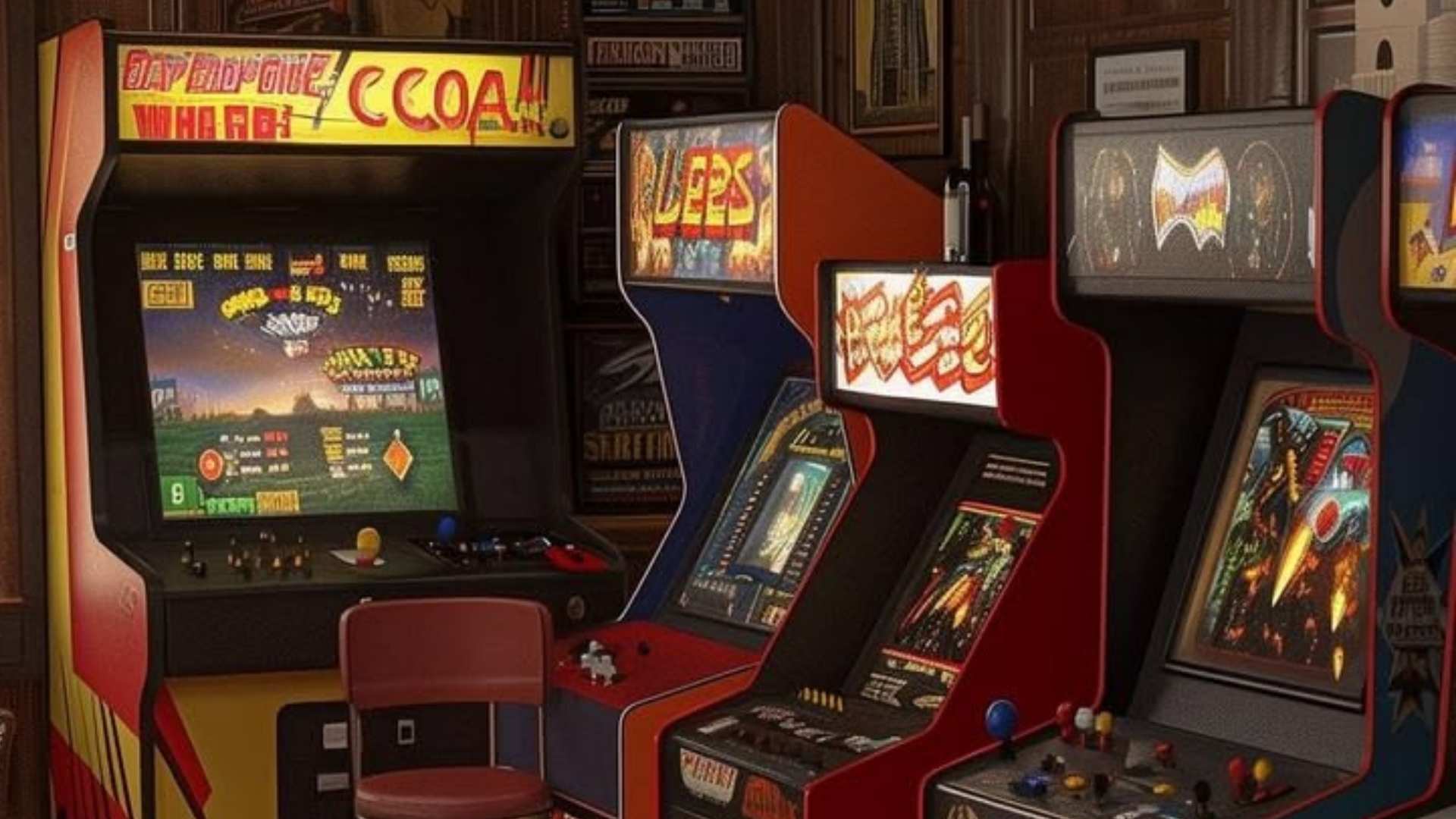
The concept of the prize wheel has spent generations evolving from a staple of physical carnivals into a complex component of modern digital platforms. While the primary mechanic of waiting for a spinning wheel to stop remains identical, the artistic philosophy driving these designs has split into two distinct paths. Exploring how developers successfully merge traditional aesthetics with cutting-edge visual technology reveals why these simple games remain globally engaging today.
The Nostalgic Allure of Traditional Layouts
Classic configurations rely heavily on the visual language of vintage fairgrounds, utilizing deep wooden textures, bold primary colors, and bright bulb lighting effects. These retro elements spark immediate feelings of nostalgia, transporting participants back to simpler times of physical community events and seaside amusement parks. The design simplicity ensures that the rules are instantly understood by anyone looking at the layout.
Furthermore, the physical limitations of the past often inspire clean segment divisions that focus entirely on transparency and immediate clarity. Audiences appreciate seeing their potential rewards laid out clearly before them without any complex secondary screens or hidden modifiers. This straightforward structural honesty forms the bedrock of the format's enduring legacy across various global communities.
Modern Innovations and Dynamic Digital Concepts
As advanced computing power became accessible, UI designers began replacing static elements with highly responsive animations and shifting thematic landscapes. Contemporary versions frequently discard standard multicolored slices in favor of interactive particle systems, floating holograms, or three-dimensional futuristic models. This creative freedom allows the classic mechanic to integrate seamlessly into diverse genres like science fiction, ancient mythology, or cinematic universes.
These modern adaptations also introduce fluctuating multipliers, multi-tiered wheels, and unexpected mystery zones that fundamentally alter the potential reward structure during active live play. Many prominent digital spaces use these intricate aesthetic variations to maintain fresh consumer curiosity over extended gameplay sessions. For comprehensive updates on how modern gaming platforms execute these design transformations, reviewing specialized hubs like m88 central can offer valuable insights into emerging industry layout trends.
Bridging the Gap for Future Players
The most successful contemporary titles do not choose between retro charm and modern flashing graphics; instead, they carefully combine both worlds into a balanced hybrid experience. For example, a game might use a vintage physical wheel format but animate the pointer with digital energy effects or surround the board with responsive audio cues. This combination captures the demographic looking for nostalgia while simultaneously satisfying younger casual users who demand high-production values.
As virtual and augmented reality frameworks continue to mature, these hybrid styles are expected to become even more interactive and physically responsive. Turning a simple flat screen interaction into a spatial experience where players pull a virtual lever ensures the continued survival of the format. By respecting classic roots while embracing technology, developers preserve the eternal thrill of the spin for years to come.