How Table Roles Influence The Pace Of A Game
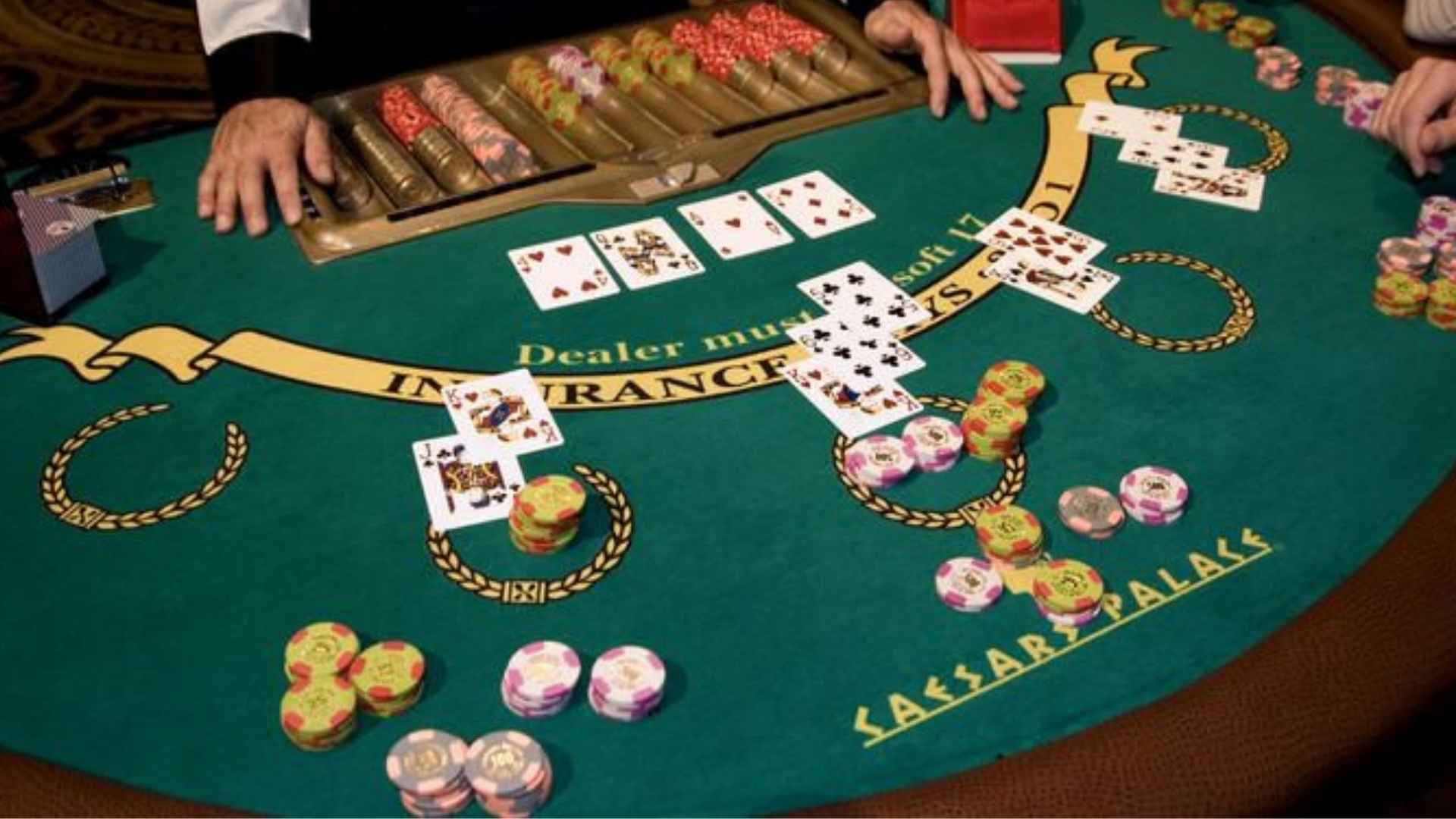
The operational velocity of traditional table games is heavily dictated by the distribution of responsibilities among the participants. When table roles shift from a dedicated dealer to active player participation, the entire momentum of the session undergoes a noticeable transformation. Understanding these specific dynamics offers a clear view into how classic casino structures manage both player engagement and physical action.
The Direct Impact of Centralized Dealing
In most modern casino environments, a professional dealer manages every step of the action to ensure maximum efficiency. This centralized structure keeps card distribution fast and minimizes the downtime between betting rounds. Because a single trained individual handles the mechanics, players can focus entirely on their personal decisions without worrying about table management.
This standardized approach eliminates the hesitation that often occurs when casual participants are required to manage game pieces. The resulting rapid pace appeals to those who prefer swift outcomes and continuous action. However, it also removes a layer of social interaction that defined early card room customs.
How Player Banking Alters Table Momentum
When gaming rules require the banker position to rotate among the players, the speed of the game shifts dramatically. Participants must take turns managing the stakes, verifying wagers, and distributing cards to both sides of the table. This dispersion of duties introduces natural pauses as each new banker adjusts to their temporary administrative responsibilities.
These deliberate pauses change the psychological atmosphere, allowing players more time to analyze recent trends and observe their opponents. Enthusiasts looking to experience this distinct style of play can use an authentic m88 link to access traditional virtual formats. Engaging with these structural setups helps modern players appreciate the strategic depth created by rotating table roles.
The Balancing Act Between Engagement and Speed
The relationship between active table duties and operational velocity creates a fascinating trade-off for gaming venues. While rapid card delivery increases the total number of rounds completed per hour, participatory roles foster deeper community dynamics. Players who actively manage the bank often feel a heightened sense of investment in the overall outcome of the round.
Historically, European gaming salons favored a slower, more deliberate cadence that highlighted personal decision-making over pure speed. Modern formats continue to experiment with this balance, offering both hyper-fast automated tables and slower, participatory live formats. Recognizing these subtle adjustments helps players choose an environment that aligns with their preferred gaming tempo.